

I got to the point in which I can say that I’ve been passionate about personal finance for a very high percentage of my life.
Believe it or not, but the selling point weren’t the spreadsheets or budget designs; I’ve been fascinated by the idea of control. Control over my choices, my time, my future, so that money (as an income) could become almost irrelevant in my decision making.
Learning about FIRE (Financial Independence, Retire Early) was a natural step. It offered a framework to not just survive, but to build autonomy through careful planning, disciplined saving, and thoughtful investing.
For years, I built my emergency fund, I tracked my spending and I started investing. Money became my tool for navigating uncertainty.
If an unexpected expense came up, I knew I could handle it. If the market dipped, I knew I didn’t need to panic since I wasn’t going to sell anytime soon. I carved out for myself a quite stable financial situation, so much so that I’m starting to think in the back of my mind that I mastered these skills.
As always, whenever my brain thinks I managed to learn something it expands the scope and pushes me to get to know even more about the same “category”. It wasn’t a surprise, then, when I found myself thinking about resilience in a broader sense. Not just financial resilience, but practical resilience, the kind that lets you keep living your life smoothly even when external systems falter. And here is where I stumbled onto prepping.
Prepping Caught My Attention
I’ll admit it: my conceptualization of prepping was bunkers, camo pants, heavy weapons and years of canned food stacked in a basement. It seemed extreme, almost comical.
I wasn’t interested in becoming a survivalist. In the past all the content produced and distributed regarding this community of preppers was focusing on the radical extremist, since it was important that the story would be weird enough to keep people entertained.
If you want to laugh a bit you can go on YouTube and watch some episodes of “Doomsday Preppers”.
Recently, though, mainly thanks to social media, many way-less extreme “preppers” started to express themselves and their life plan and strategy and as I started reading and watching content from people in the space, something clicked.
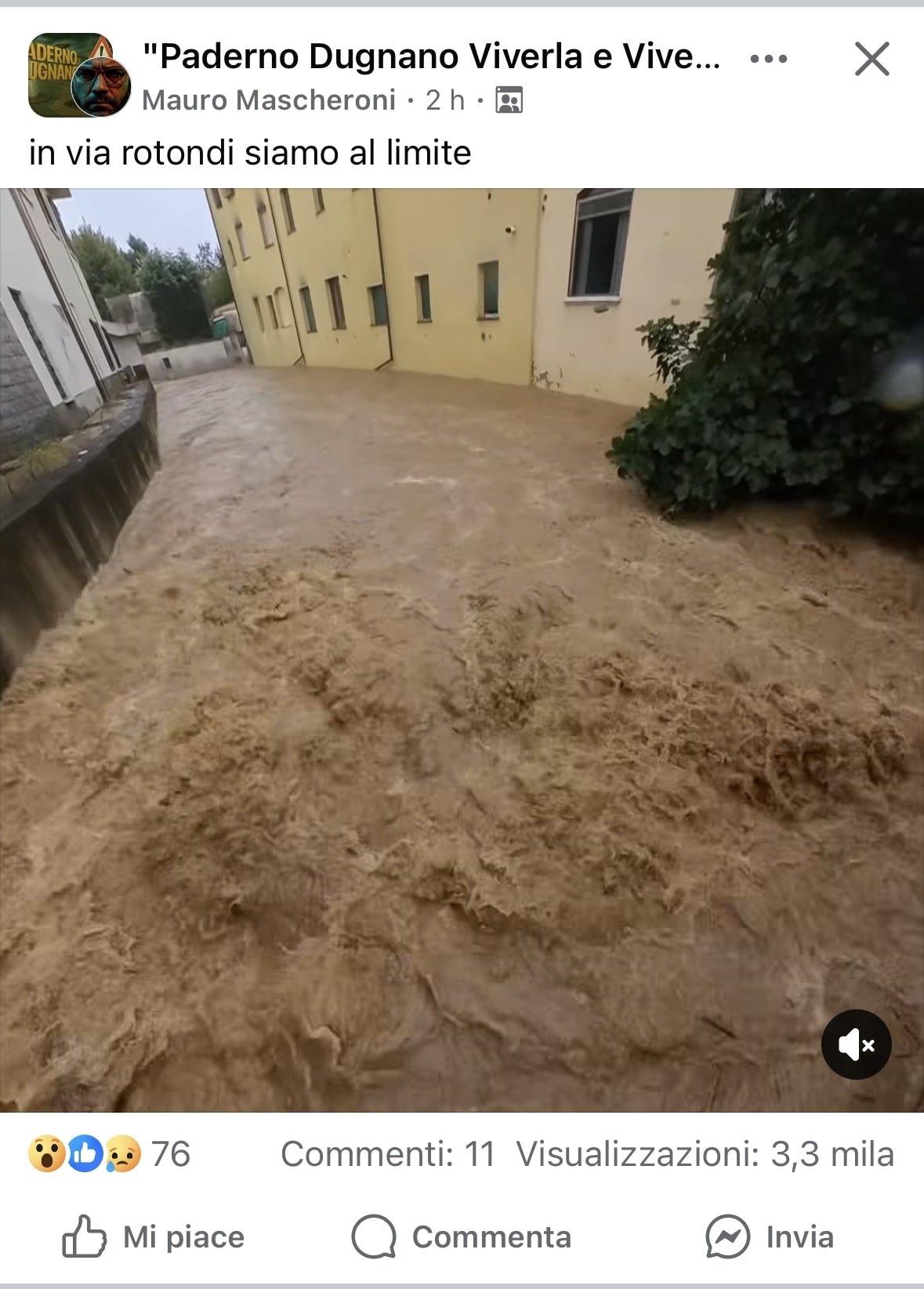
Prepping doesn’t have to be about preparing for the apocalypse. Many people frame it in a much simpler, practical way: preparing for small-scale disruptions in everyday life. Blackouts, minor supply chain interruptions, or temporary water issues. Simple, realistic scenarios where being prepared reduces stress and assures pain-less stability.
What struck me was how familiar the mindset felt. In personal finance, I had spent years thinking in terms of buffers, safety nets, and optionality. Prepping seemed like the same idea applied to practical life systems, rather than money.
Emergency Funds vs. Practical Buffers
In personal finance, the first and most obvious buffer is an emergency fund. Months of expenses saved up, untouchable unless truly necessary. It’s the classic hedge against life’s unpredictability: job loss, medical bills, sudden repairs.
In prepping, the idea is similar, simply applied differently. Instead of cash, you might have a few days’ worth of essentials: water, energy sources, basic food, a plan to keep your lifestyle even if the grocery store is temporarily inaccessible. The goal isn’t extreme survival. It’s a small layer of independence from the systems we rely on every day and that, honestly, we don’t even start to understand.
When phrased like this, we could say that a FIRE enthusiast and a thoughtful prepper are solving the same underlying problem: reducing their vulnerability. The tools are different, dollars versus practical resources and skills, but the logic is identical.
Autonomy and Control
FIRE is about long-term freedom. Prepping is about short-term control. Financial independence allows you to step away from jobs, avoid debt traps, and make life choices based on what you want rather than what you must.
Prepping allows you to step through everyday disruptions without panic or frustration. Both approaches are essentially about creating options and avoiding dependency on systems you don’t control.
The more I thought about it, the more I realized that FIRE people are, in a way, financial preppers. We anticipate risks, prepare safety nets, and cultivate resilience, just with money as the medium instead of flashlights and water filters. And just as FIRE emphasizes balance, between saving and living, investing and enjoying, this “soft prepping” approach can be balanced too. It doesn’t require stockpiling three years of food. It’s simply about having the basics to keep life steady when small shocks occur.
I went online to find confirmation of this theory of mine, but I couldn’t find any source that was agreeing (or disagreeing for what is worth). Interestingly, in the preppers world the idea of financial prepping is highly covered and talked about. The “money talks” sound so similar to what one could expect to see in a Personal Finance subreddit, just a bit less sophisticated.
Why This Perspective Matters
Reflecting on FIRE and prepping side by side reshapes how I think about personal resilience. For years, I equated financial planning with security. But real security isn’t just about money. It’s also about being prepared for small disruptions that money alone can’t fix: a power outage, a temporary supply problem, or even a sudden change in routine that tests your flexibility.
Integrating the lessons from prepping doesn’t mean living in fear or obsessing over disaster scenarios. It’s about thinking ahead, identifying vulnerabilities in daily life, and building small, practical buffers. It’s a mindset shift: instead of relying entirely on external systems, you create a little autonomy wherever possible.
FIRE as Financial Prepping
So, are FIRE people just financial preppers without realizing it? I think the answer is yes, at least in principle. Both FIRE and prepping are exercises in reducing fragility. FIRE achieves it through disciplined saving, investments, and financial planning. Prepping achieves it through practical tools, basic supplies, and contingency plans. Both approaches require foresight, evaluation of risk, and the willingness to make small, consistent preparations today to prevent unnecessary stress tomorrow.
The interesting part is that by combining them, maintaining financial independence while incorporating practical, low-effort preparedness measures, you create a much more robust form of resilience. Emergencies don’t become crises, and opportunities don’t become constraints.
You’re not just surviving, you’re maintaining control.
Practical Takeaways
From my perspective, the key is balance. You don’t need to transform into a full-blown prepper to gain value from these ideas. Small, reasonable steps can bridge the worlds of FIRE and prepping:
- Keep an emergency fund that covers several months of expenses — the classic FIRE buffer.
- Maintain a few days’ worth of practical essentials at home: water, basic non-perishable food, and power backups for essential devices.
These steps reinforce autonomy without introducing fear or paranoia. They are simply smart ways to reduce everyday fragility, whether financial or practical.
In my personal life I already have the emergency fund, but I still need to get to some days of food, water and electricity stored. Of course storing food and water is way easier than store electricity. So I started with what came the easiest to me.
Conclusion
FIRE and prepping are surprisingly similar philosophies. They are complementary approaches to the same fundamental goal: independence, resilience, and control.
FIRE teaches us to manage money and long-term risks. Prepping teaches us to manage practical, short-term disruptions.
Together, they provide a more holistic framework for navigating uncertainty in modern life. In the end, it’s not about stockpiling, hiding, or obsessing over worst-case scenarios. It’s about cultivating a mindset of preparedness, anticipating problems, creating buffers, and maintaining flexibility.
For someone like me, who has always been drawn to personal finance, discovering prepping has been surprisingly stimulating. It doesn’t replace FIRE; it expands it. It’s my new shiny object!
It makes me think differently about what independence and resilience really mean.
“Prepping doesn’t save your life. Most of the time, it just saves your afternoon.”
Lascia un commento